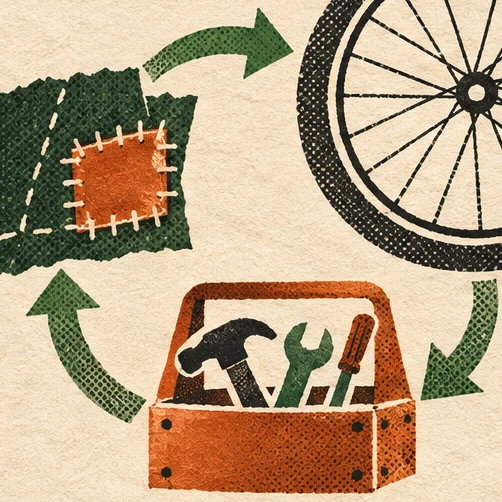
The Landscape of Unused Resources: A New Perspective on Ownership and Sharing
A car in a driveway or a drill in a closet raises a question. When do we need individual ownership, and when would shared access work better?

Ask who needs the tool and how often
A car can sit idle for much of the day while continuing to cost money to own. A drill can spend years in a closet between projects. A household still needs reliable access when a shift starts early or a repair cannot wait. Shared use works when it can meet that practical need.
Consider neighbors who buy a lawn mower together. They can split the purchase price and maintenance. They also have to decide where to store it, who can reserve it and who fixes it when the blade goes dull. Those rules shape whether sharing feels like a burden or a dependable service.
Distinguish access from shared ownership
Zipcar gives people temporary access to a vehicle. Airbnb lets some people put unused space on the rental market. Both use technology to match supply and demand. A cooperative goes a step further by asking who makes the rules and where the value goes once a platform starts collecting fees or building assets.
That is part of what drew me to Urban Array’s interest in shared infrastructure. When people contribute skills, tools or time toward a common project, the relationships and resources they build should remain available to the people who helped create them. A ledger can keep track of contributions. Decisions about who controls the resulting assets belong to the people involved.
Keep reliability in view
A better model helps people get what they need at a price they can afford. It also has to work when several people want the tool at once, something breaks or a member’s circumstances change. The goal is to put idle resources to use and keep the benefits within reach of the people doing the sharing.